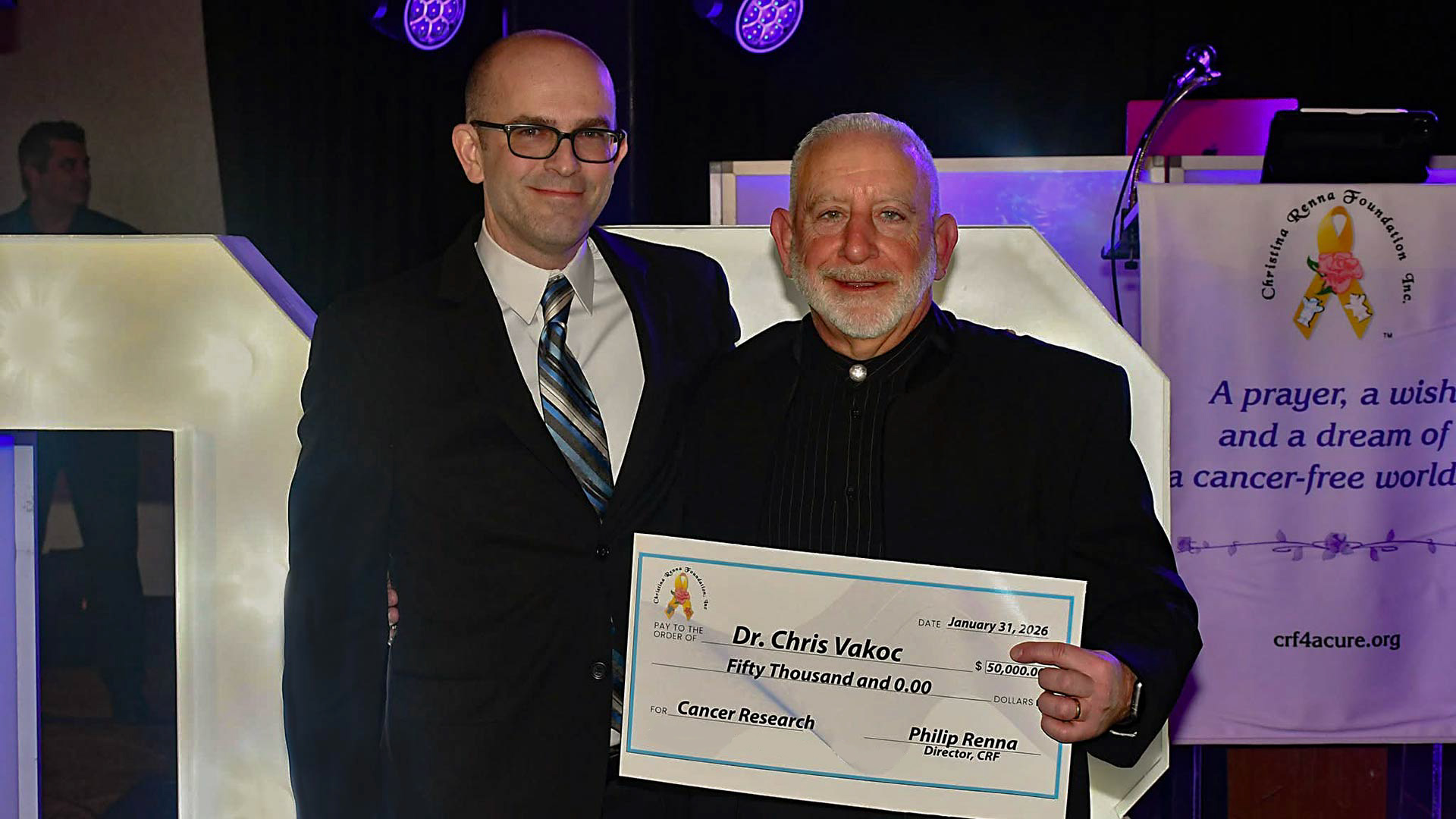

Each February brings Rare Disease Month, a time when Cold Spring Harbor Laboratory (CSHL) reflects on the partnerships that advance research in this often-under-addressed area of study. The Christina Renna Foundation (CRF) is one shining example. Its 19th Angel’s Wish Gala, held the last weekend of January, offers a powerful reminder of how community-based philanthropy drives discovery and progress.
Rhabdomyosarcoma (RMS), the rare pediatric cancer that took Christina’s life as a teenager, reflects both the complexity and urgency of rare disease research. RMS accounts for approximately 3% of childhood cancer cases, with only a few hundred new diagnoses each year in the U.S. Despite its rarity, the disease can be aggressive and difficult to treat, underscoring the need for a deeper understanding of its biology and for new therapeutic approaches.
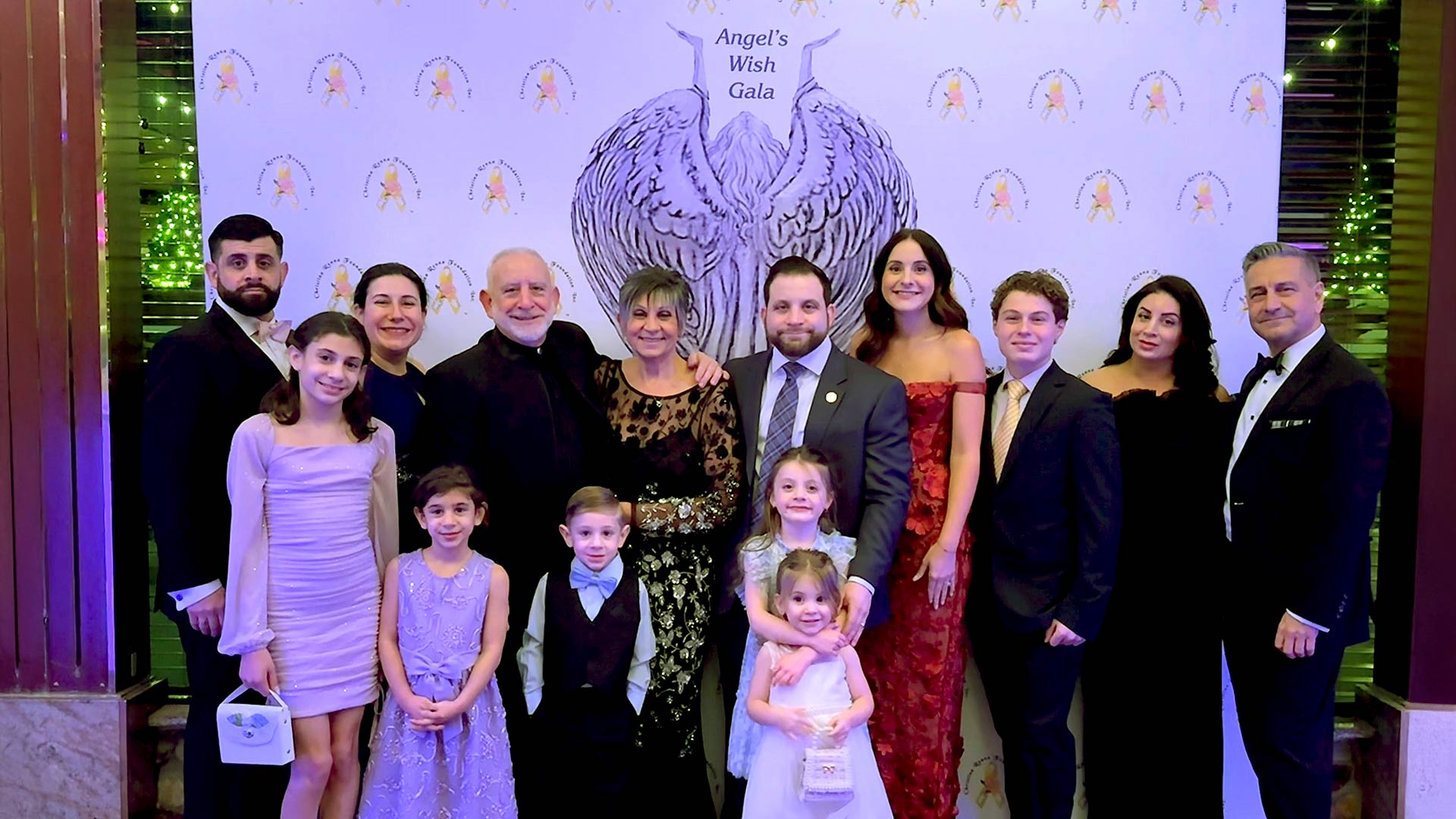
At the gala, CRF honored CSHL Professor Christopher Vakoc for his leadership in cancer research. His team studies how cancer cells depend on specific regulators that control gene activity and cell identity. Using advanced genetic technologies, his lab identifies the vulnerabilities that allow cancer cells to survive, revealing promising targets for future therapies. Vakoc’s remarks at the gala highlighted an essential truth: progress takes shape over many years, well before a therapy can reach patients. The advances celebrated at events like the Angels Wish Gala are the result of sustained and supported science.
As CRF Director Phil Renna reflected during the evening, “Imagine a child walking out of a hospital, ringing the victory bell, smiling through the tears. Imagine a family hearing the words they’ve prayed for: ‘The scans are clear.’ Those moments don’t begin with a clinical trial. They begin with basic science.”
Written by: Caroline Cosgrove, Public Affairs Manager | cosgrov@cshl.edu | 516-367-8844